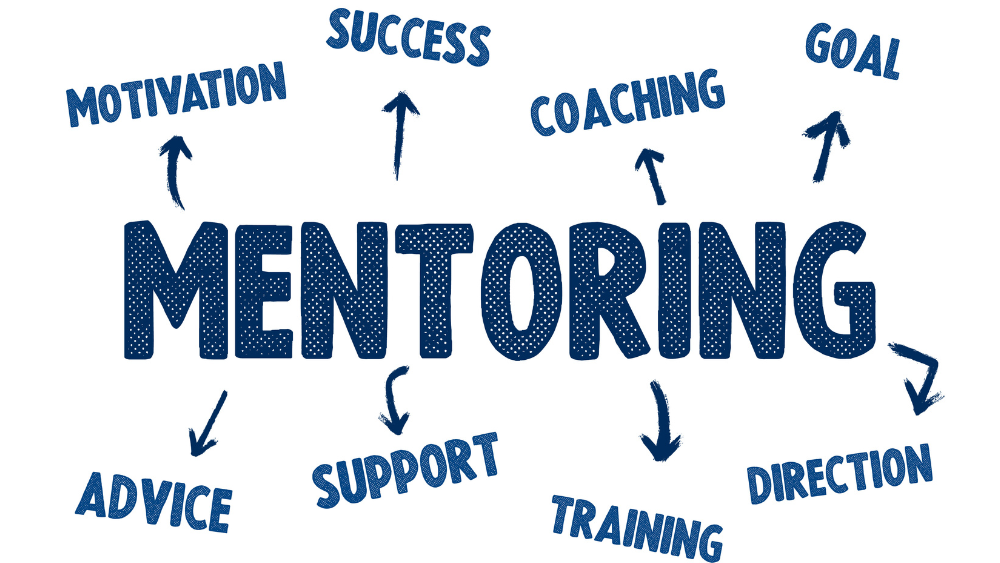
Why Mentorship in Data & AI Matters
Welcome to the ever-evolving world of Data Science and Artificial Intelligence (AI)! Navigating the complex and rapidly evolving landscape of data science and artificial intelligence (AI) can be daunting, even for seasoned professionals. A mentor can serve as a guiding light, offering invaluable advice, support, and expertise. If you're a beginner or an intermediate professional stepping into this dynamic field, you might find the vast amount of resources both overwhelming and impersonal. That's where the power of mentorship and coaching comes into play. In a field as intricate and rapidly developing as Data & AI, having a mentor can be transformative. Why? Because mentors provide personalized guidance, share invaluable industry insights, and help navigate the complex pathways of career progression and skill acquisition.
Understanding Mentorship in Data & AI
1. What Does a Mentor Do?
A mentor in the field of Data & AI acts as a guide, a coach, and sometimes even a confidant. They are experienced professionals who have 'been there and done that' and can offer advice that is not only theoretically sound but also immensely practical. From clarifying doubts about complex algorithms to providing tips on handling real-world data, a mentor’s role is multifaceted.
2. The Benefits of Having a Mentor
- Accelerated Learning Curve: Data & AI technologies evolve swiftly. A mentor can help you keep up-to-date with the latest tools, technologies, and industry practices much faster than if you were learning independently.
- Career Guidance: They can offer personalized advice on building a successful career, including which areas to specialize in, how to approach job hunting, and even negotiating offers.
- Networking Opportunities: Mentors often introduce mentees to professional networks, providing opportunities that are not easily accessible otherwise.
3. Examples of Effective Mentorship
Visualize a scenario where a mentee is struggling with applying machine learning models in a healthcare setting. A mentor could step in to not only troubleshoot the code but also provide insights on regulatory considerations, something only a seasoned practitioner would know.
Practical Examples: Real-World Impact of Mentorship
Let’s consider a case study of a Data Analyst aiming to transition into a Machine Learning Engineer role. With the mentor's guidance:
- They could navigate through the selection of appropriate courses and certifications.
- Receive direct feedback on projects and assignments, enhancing both learning and performance.
- Gain insights into industry-specific applications, significantly improving their job readiness.
Why Mentorship Matters
- Personalized Guidance: A mentor can tailor their advice to your specific needs, goals, and learning style.
- Real-world Insights: Mentors often share practical experiences and industry best practices.
- Network Expansion: Mentorship can open doors to new opportunities and connections within the data science and AI community.
- Skill Development: Mentors can help you identify areas for improvement and provide guidance on acquiring new skills.
- Career Advancement: A mentor can offer advice on career paths, job search strategies, and negotiation tactics.
- Emotional Support: Mentorship can provide encouragement and motivation, especially during challenging times.
Finding the Right Mentor
When seeking a mentor, consider the following qualities:
- Experience: Look for someone with significant experience in the field.
- Knowledge: Your mentor should have a deep understanding of data science and AI concepts.
- Availability: Ensure your mentor is willing to commit time to your development.
- Communication Skills: Effective communication is crucial for a successful mentor-mentee relationship.
- Positive Attitude: A positive and supportive mentor can make a big difference.
Leveraging Mentorship to Accelerate Your Career
To maximize the benefits of mentorship, consider the following strategies:
- Be Proactive: Take initiative in seeking out a mentor and maintaining regular communication.
- Be Open-minded: Be receptive to feedback and willing to learn from your mentor's experiences.
- Set Clear Goals: Define your career aspirations and discuss them with your mentor.
- Ask Thoughtful Questions: Prepare questions in advance and actively participate in conversations.
- Show Gratitude: Express appreciation for your mentor's time and guidance.
Data Techcon: Your Gateway to Expert Mentorship
To connect with experienced data science and AI professionals, consider exploring Data Techcon. This platform offers access to a diverse range of mentors who can provide personalized guidance and support. By leveraging the expertise of these mentors, you can accelerate your career and achieve your goals.
Embrace the Mentorship Journey
As we wrap up, remember that the journey into Data & AI is both exciting and demanding. Having a mentor by your side can be a game-changer, helping you to not only learn and apply new skills more effectively but also to avoid common pitfalls and accelerate your career progression. Whether you're starting from scratch or looking to deepen your expertise, the right mentor can provide you with a tailored experience that textbooks and tutorials simply cannot.
Final Takeaway
Mentorship is a powerful tool for career advancement in the field of data science and AI. By seeking out a mentor and actively engaging in the mentorship process, you can gain valuable insights, develop essential skills, and achieve your professional aspirations.
If you’re ready to take your Data & AI skills to the next level, I encourage you to explore the mentorship opportunities available at Data Techcon. With a plethora of industry experts ready to guide you, you’re just one click away from finding the perfect mentor to help you navigate the complexities of the field and achieve your career goals.
Thank you for reading, and I look forward to hearing about your successes in Data & AI!